Cook Like a Nutritionist
Master the essential cooking techniques and food knowledge that professional nutritionists use every day. Learn how to prepare meals that nourish your body while maintaining exceptional flavor.
Whole Food Principles
Understand how to select, prepare, and combine whole foods to maximize nutritional value and flavor. Learn the science behind ingredient quality and freshness.
Cooking Methods & Heat
Discover the best cooking techniques for different foods—from steaming and poaching to roasting and sautéing. Learn how heat affects nutrient content and flavor development.
Balanced Meal Building
Master the fundamentals of creating balanced plates with proper proportions of proteins, vegetables, whole grains, and healthy fats. Understand macronutrient balance for sustained energy.
Food Chemistry & Combinations
Learn how different foods interact, which combinations enhance nutrient absorption, and how to avoid common pairing mistakes. Understand flavor chemistry and ingredient synergy.
Learning Focus
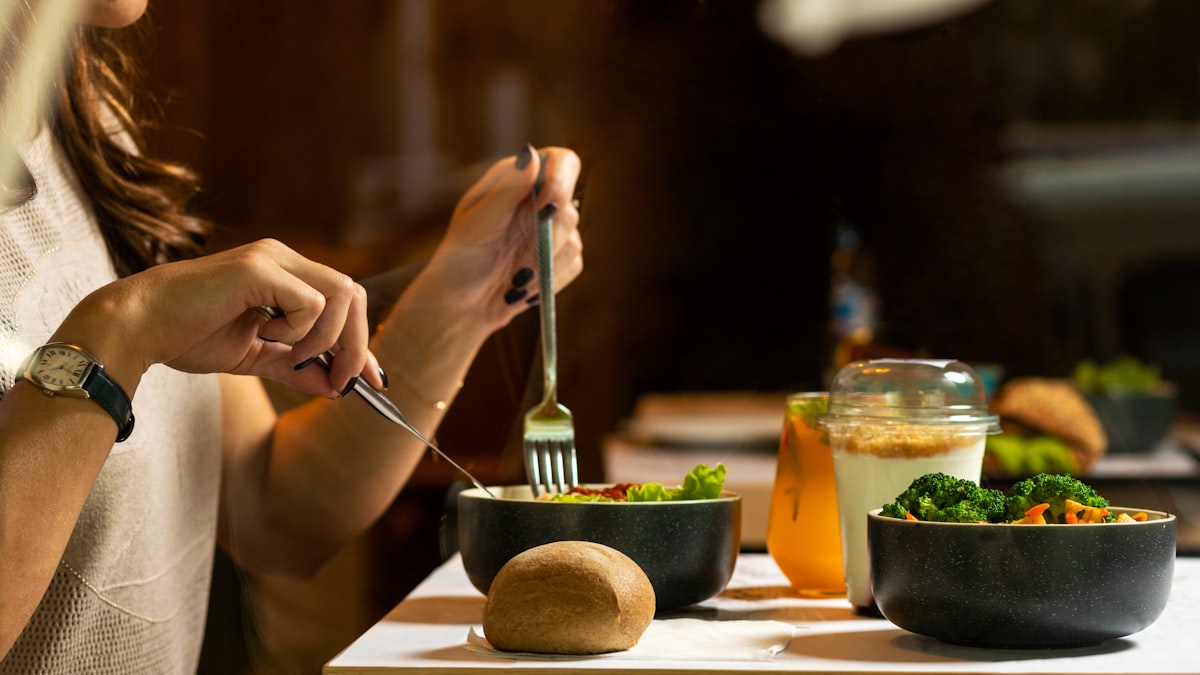
Real kitchen practices used by nutrition professionals every day
The information on this site is for educational purposes only and does not constitute medical advice. Always consult a qualified healthcare professional before making health decisions.
Core Learning Modules
Our comprehensive curriculum is organized into six focused modules, each building essential cooking competency.
Essential Knife Skills
Master the fundamental cutting techniques—brunoise, julienne, chop, and dice. Learn proper knife grip, safety, and how different cuts affect cooking time and presentation.
- Knife types and maintenance
- Safe cutting techniques
- Professional prep efficiency
Flavor Building Blocks
Understand aromatics, spice combinations, and seasoning principles. Learn how to layer flavors using herbs, spices, citrus, and vinegars to create delicious meals without excess salt or oil.
- Herb and spice fundamentals
- Seasoning without salt
- Building complex taste profiles
Cooking Techniques & Heat Control
Learn the science behind different cooking methods—dry heat, moist heat, and combination methods. Understand temperature control, timing, and how to achieve perfect results every time.
- Roasting, steaming, sautéing basics
- Doneness indicators by touch
- Temperature and timing principles
Vegetable & Produce Mastery
Explore the best ways to cook different vegetables while preserving nutrients and flavor. Learn seasonal selection, storage techniques, and how to transform produce into compelling dishes.
- Seasonal produce selection
- Nutrient-preserving techniques
- Vegetable-forward meal planning
Protein Preparation & Cooking
Master cooking techniques for fish, poultry, meat, legumes, and plant-based proteins. Learn food safety, proper handling, and methods that keep proteins moist, tender, and flavorful.
- Safe handling and storage
- Cooking methods by protein type
- Plant-based protein techniques
Balanced Meal Assembly
Learn to compose meals that satisfy nutritionally and culinarily. Understand portion control, macronutrient balance, and how to create diverse, interesting menus week after week.
- Plate composition principles
- Weekly meal planning strategies
- Batch cooking and prep work
Your Learning Journey
We've structured this course so you build skills progressively, from foundational techniques to advanced meal composition.
Learn the Foundations
Start with essential knife skills and understanding how different ingredients behave when cooked. Build confidence with basic techniques before advancing.
Explore Techniques
Progress to various cooking methods and flavor building. Practice different techniques on diverse ingredients to understand how method affects outcome.
Apply Your Knowledge
Combine learned techniques to create complete, balanced meals. Start planning menus and thinking about ingredient combinations strategically.
Master Your Kitchen
Cook confidently with full understanding of why each technique matters. Build your signature style while maintaining nutritional balance and food safety.
What Sets This Course Apart
This isn't just cooking instruction—it's how nutritionists approach food preparation in the real world.
Science-Based Instruction
Understand the "why" behind every technique. Learn how heat, water, and chemistry affect food, so you can adapt recipes confidently and troubleshoot cooking problems independently.
Practical, Real-World Focus
Every technique and principle taught is used daily by nutrition professionals. We skip unnecessary complexity and focus on what actually works in everyday cooking.
Whole Food Emphasis
Learn to work primarily with whole, unprocessed ingredients. Discover how to create satisfying, flavorful meals without relying on convenience products or excess added ingredients.
Detailed Video Demonstrations
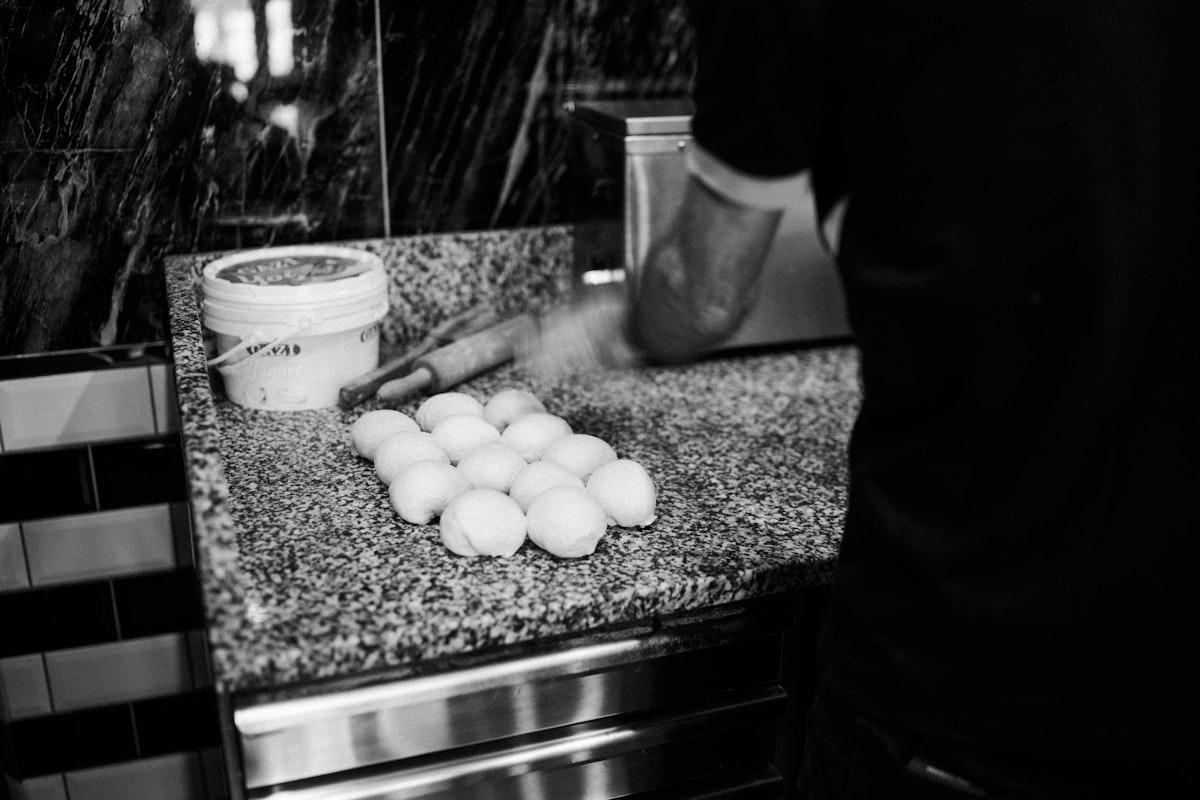
Watch techniques performed step-by-step from multiple angles. See proper hand position, knife angle, and timing so you can replicate exactly what's shown.
This course teaches:
- How to evaluate ingredient quality
- Techniques that preserve nutritional content
- Flavor development without excess salt or fat
- Efficiency in meal prep and batch cooking
- Food safety and proper handling practices
Frequently Asked Questions
Everything you need to know about this course and how to get started.
Do I need prior cooking experience?
No. This course is designed for absolute beginners through intermediate cooks. We start with fundamental skills and progressively build complexity. If you've cooked before, you'll deepen your understanding of the science behind your techniques.
How long does it take to complete?
The course is self-paced. Most students spend 2-4 hours per week and complete the full program in 8-12 weeks. You have lifetime access, so you can move through at your own speed and revisit lessons whenever needed.
Will I get recipes to follow?
Yes. Each module includes 5-7 detailed recipes that demonstrate the techniques being taught. These recipes use simple, whole food ingredients and include clear step-by-step instructions. Beyond the course, we offer access to our full recipe library with hundreds of options.
What equipment do I need?
Basic kitchen equipment: cutting board, sharp knife, pots, pans, and measuring tools. We provide guidance on selecting quality basics without expensive gadgets. Most recipes use standard equipment found in any home kitchen.
Is this course specific to any diet?
No. These techniques work across all eating approaches—omnivorous, vegetarian, vegan, paleo, and everything in between. We teach foundational cooking skills and nutritional principles that apply universally, then show how to apply them to different food choices.
Can I access course materials on mobile?
Absolutely. The course platform works on phones, tablets, and computers. Videos are optimized for mobile viewing, and lesson materials are accessible on any device. Download videos to watch offline if you prefer.
Student Stories
Real feedback from people who have completed this course and transformed how they cook.
I've always been intimidated by cooking, but this course broke everything down into manageable steps. I now prepare most of my family's meals at home, and they actually ask for my cooking. Understanding the science behind techniques gave me so much confidence.